Discrete, unbundled hooked fibres for maximum flexibility and anchorage in large-volume and general concrete reinforcement.
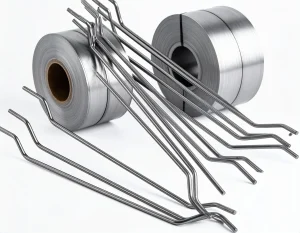
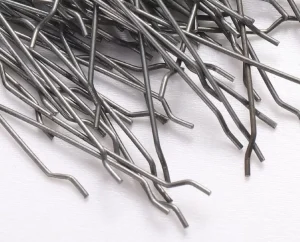
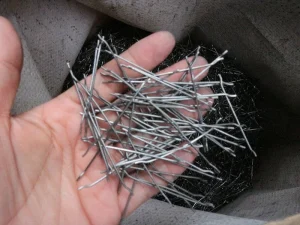
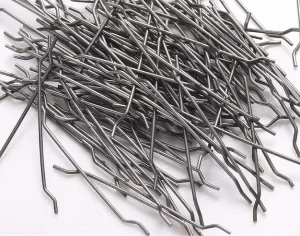
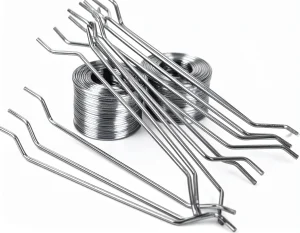
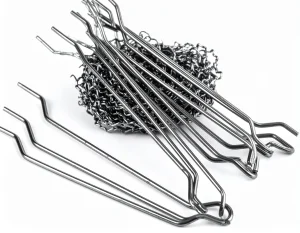
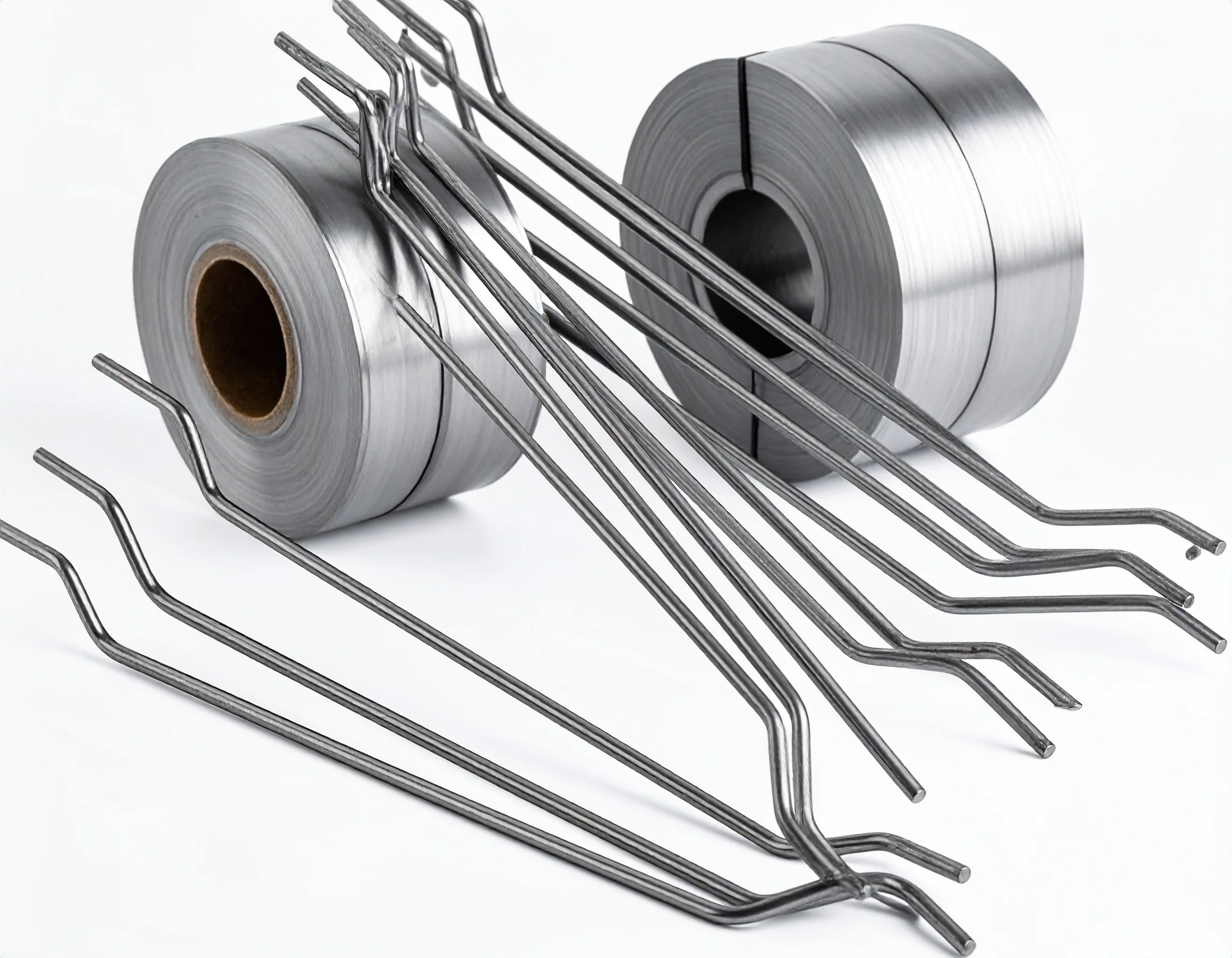
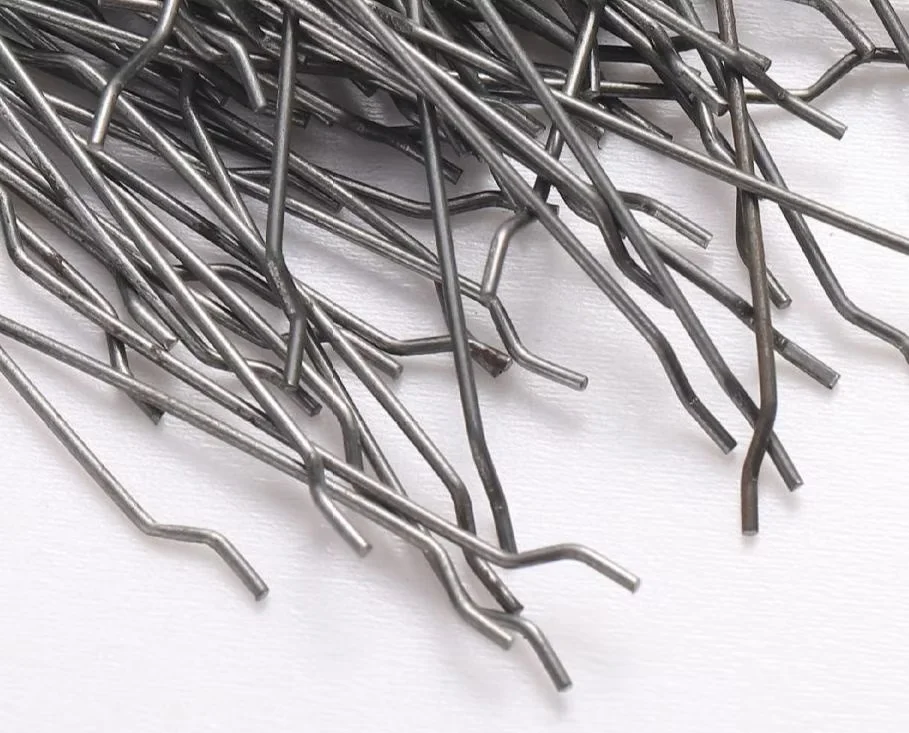
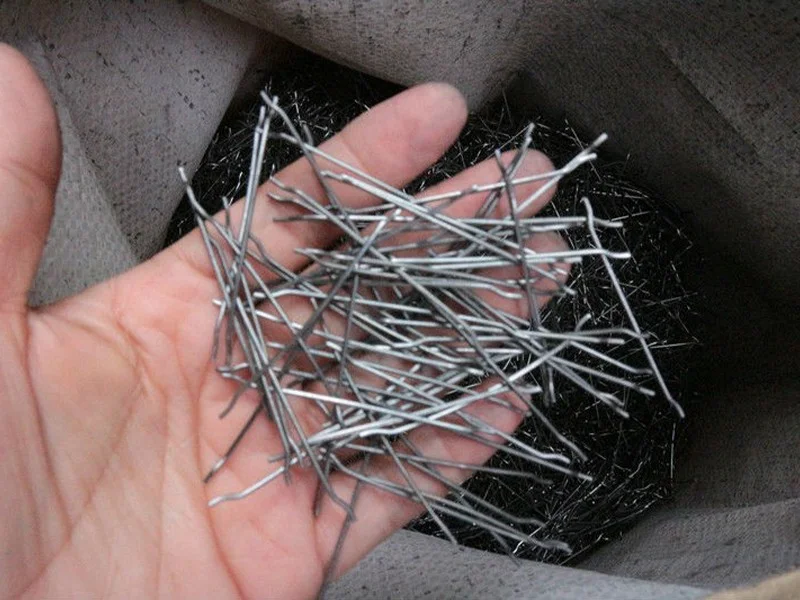
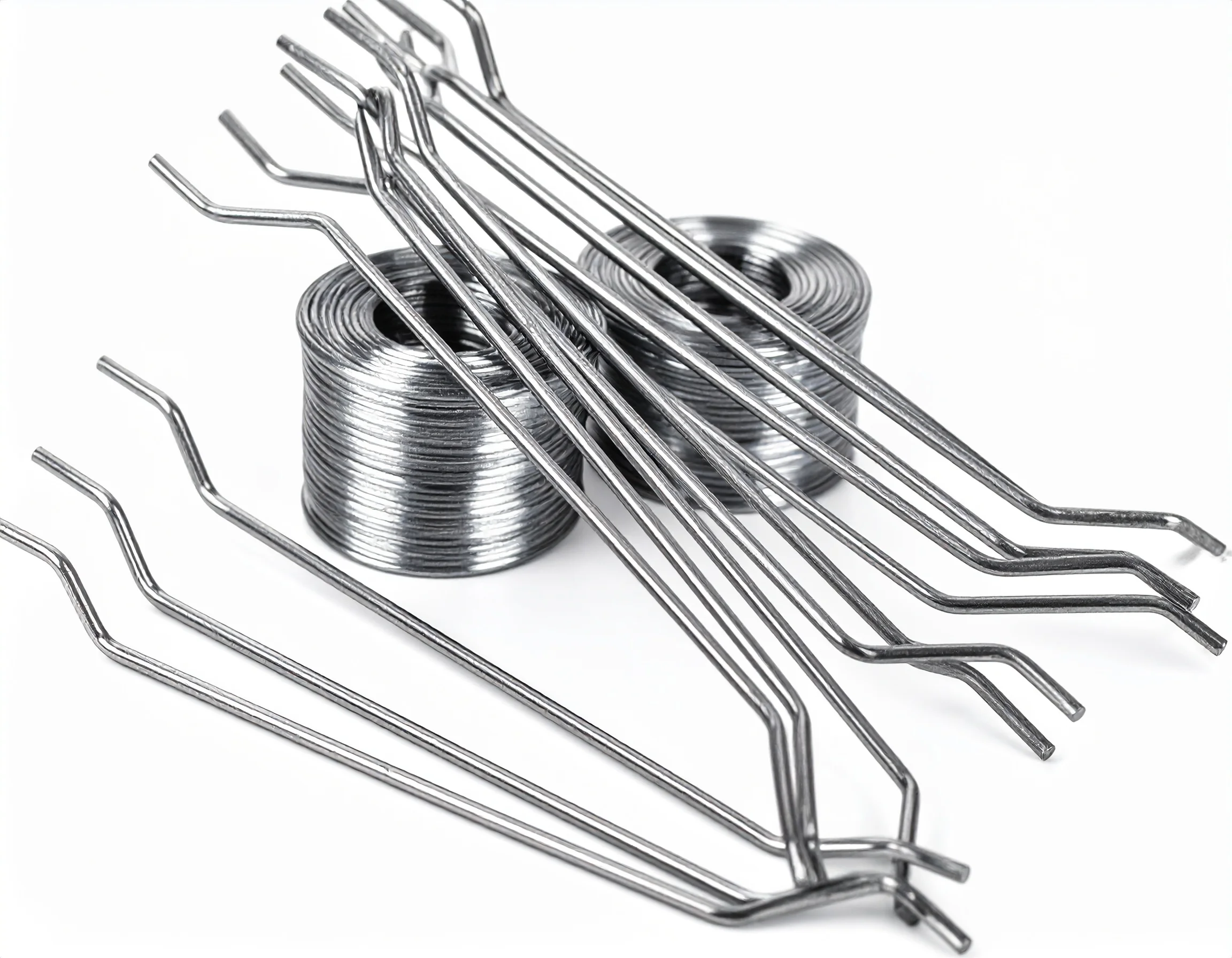
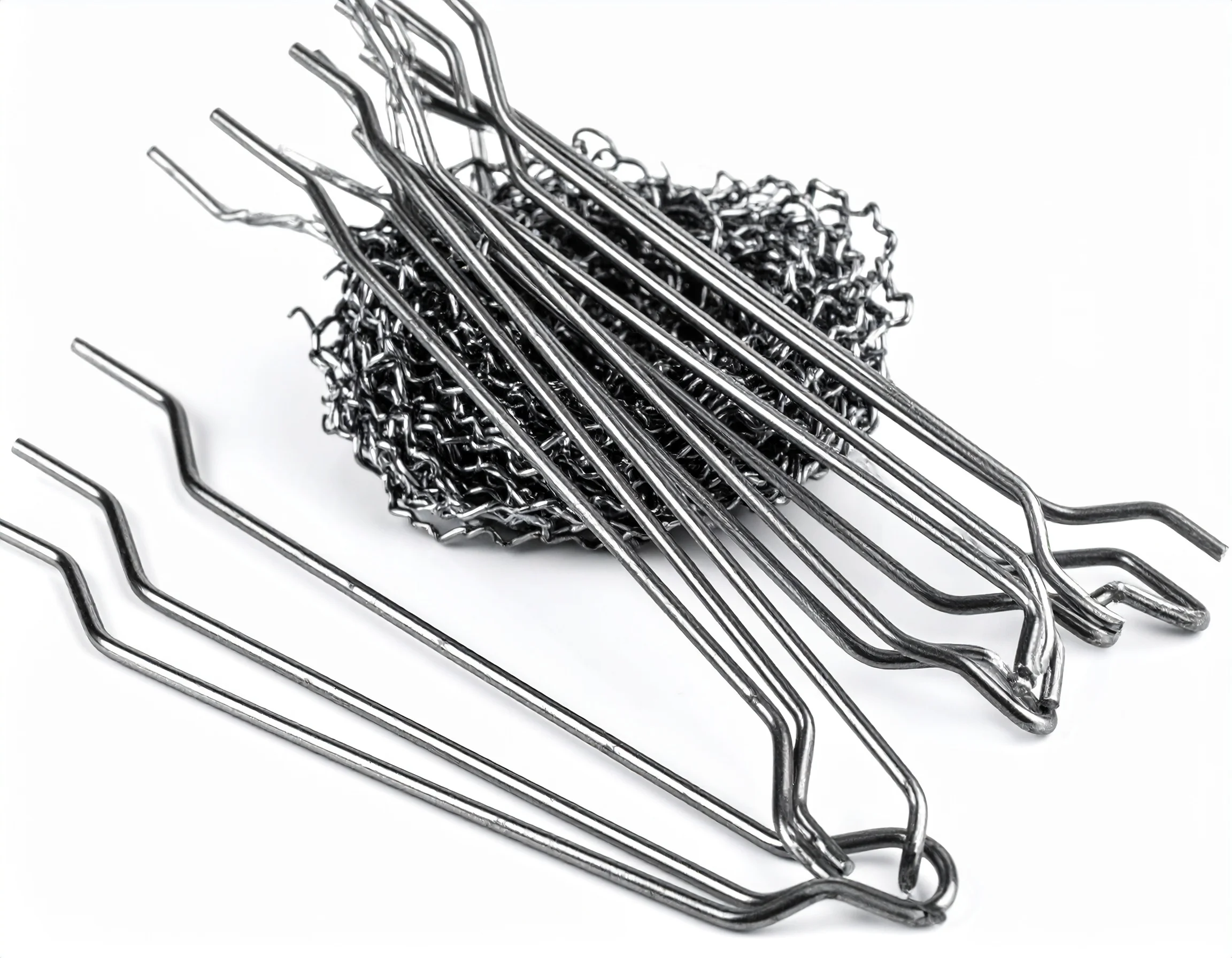
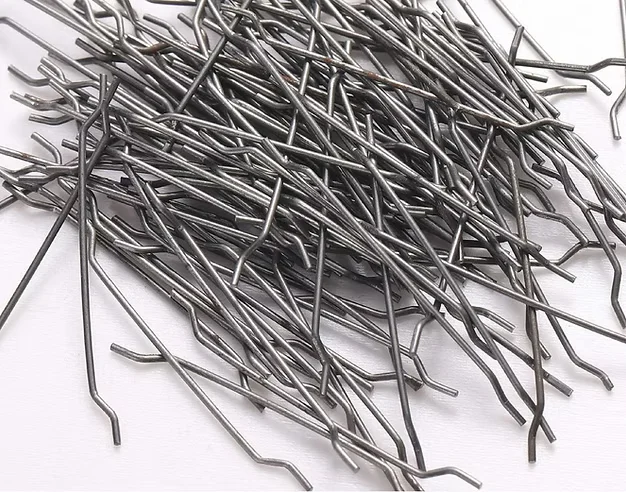
Loose hooked-end steel fibres are individual (unbundled) fibres with hooked ends on both ends. Because they are loose, they allow maximum flexibility in dosing, mixing, and adaptation to concrete design. Hooked ends ensure strong mechanical anchorage, controlling crack width even under heavy loads or cyclic stresses. These are a standard, proven solution in general structural, industrial, and infrastructure concrete reinforcement. Widely used in flooring, pavement and precast applications, they offer the same mechanical performance without the need for glue.
Loose hooked-end steel fibres are individual (unbundled) fibres with hooked ends on both ends. Because they are loose, they allow maximum flexibility in dosing, mixing, and adaptation to concrete design. Hooked ends ensure strong mechanical anchorage, controlling crack width even under heavy loads or cyclic stresses. These are a standard, proven solution in general structural, industrial, and infrastructure concrete reinforcement. Widely used in flooring, pavement and precast applications, they offer the same mechanical performance without the need for glue.
Key Features
Maximized Anchorage
Hooked ends give strong pull-out resistance, improving residual strength post-cracking.
Flexible Dosing
Being loose, they adapt well to different mix designs, batch sizes, delivery and dosing modes.
Proven Durability
Well tested in many standard concrete reinforcement applications.
Relative Cost Efficiency
Without bundling/glue, manufacturing and handling costs are lower, which can translate to savings for large-volume use.
Applications
General concrete slabs (industrial, commercial)
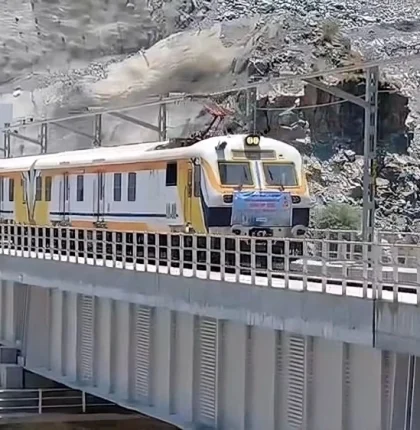
Bridge decks, pavements, mass concrete applications where large batch size is involved
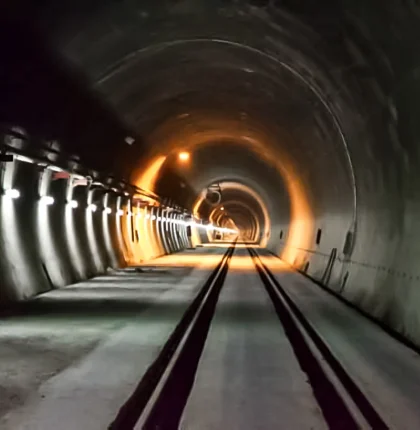
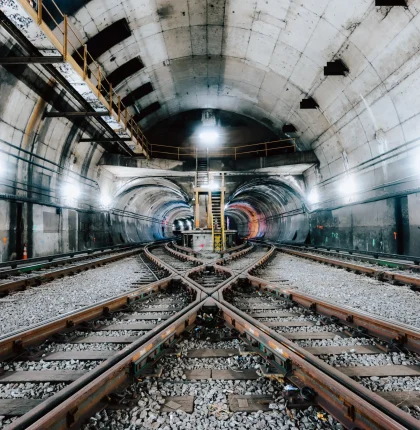
Shotcrete, tunnels, overlays, retaining walls
Retrofitting, repair works where existing concrete is involved
Precast walls, manhole covers, lavatories, Jersey barriers etc.

 All Project